
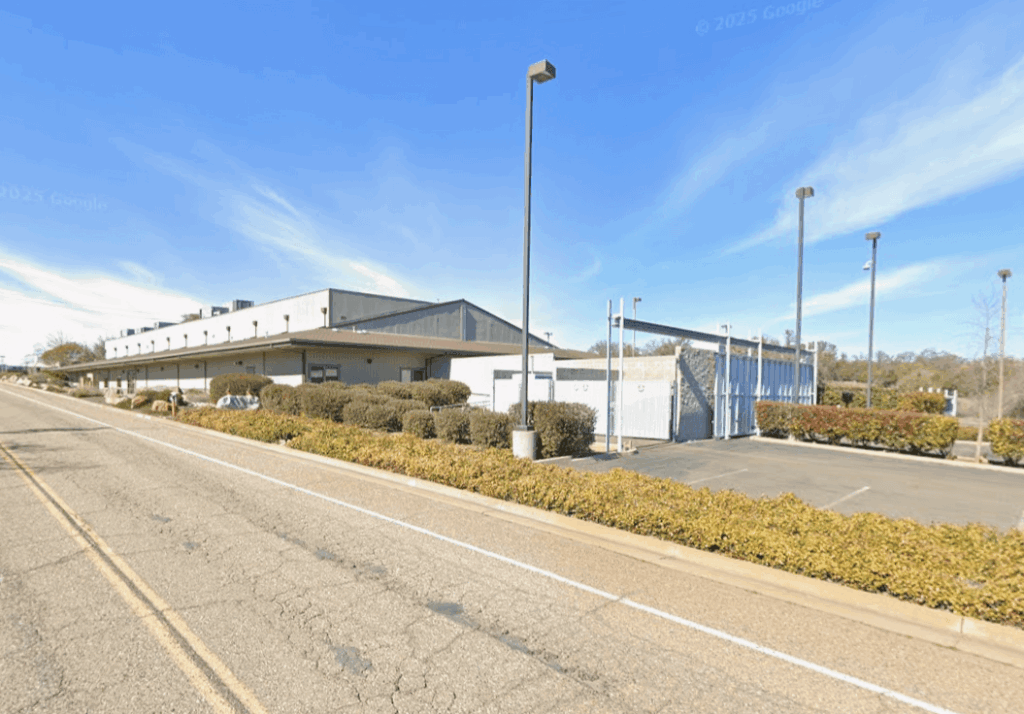
Where to File Your Divorce Paperwork in Amador County?
In California, a divorce is officially called a “dissolution of marriage.” To start one in Amador County, you file with the Superior Court’s Family Law Department at the courthouse in Jackson.
Address: 500 Argonaut Lane, Jackson, CA 95642
Phone: (209) 257-2603 (Clerk’s Office, by phone 8:30 a.m. – 3:30 p.m.)
Hours: Courthouse open Monday–Friday, 8:00 a.m. – 5:00 p.m. (Clerk’s Office filing windows open 8:00 a.m. – 3:00 p.m.)
Where to File: In person at the Clerk’s Office, in the courthouse dropbox, or online through the court’s e-filing system.
📋
Do You Qualify to File in Amador County?
California has two residency rules that work together:
- State rule: One spouse must have lived in California for at least six months before filing.
- County rule: One spouse must have lived in Amador County for at least three months before filing.
Chances are you’re not looking to delay things any longer than necessary, so it’s worth knowing your options if you don’t meet the residency rules yet. You can file for legal separation instead, which has no residency requirement at all, and switch it to a full divorce later once you qualify. So, when you ask whether you can start the process before meeting the residency requirements, legal separation may be an option to consider.
📌
Filing for an Uncontested Divorce (When Both Spouses Agree)
You’re not alone. That’s why we’ve broken down the process into simple steps to help you understand what to expect. And those are exactly the details you need to know before getting started. Here’s what the process generally looks like:
- File Your Petition. You’ll submit a Petition for Dissolution of Marriage (Form FL-100). Starting in 2026, couples who fully agree on everything can also use a new Joint Petition (Form FL-700), which lets both spouses file together as equal partners instead of one “suing” the other.
- Pay the Filing Fee. California’s statewide fee is $435 – the same whether you file solo or jointly.
- Let Your Spouse Know (unless you filed jointly). If you filed alone, your spouse needs to be formally served by someone other than you – a friend, relative, process server, or the sheriff. They then have 30 days to respond. (If you used the new joint petition, this step is skipped entirely – filing together counts as service.)
- Share Your Finances. Both spouses fill out a Preliminary Declaration of Disclosure, covering income, expenses, assets, and debts.
- Wait at Least Six Months. California requires a mandatory wait of six months and one day, counted from when your spouse is served (or from filing, if you filed jointly), before a judge can finalize anything. This is the longest waiting period of any U.S. state.
- Get Your Judgment. Once the wait is over and your paperwork checks out, the court signs your Judgment of Dissolution, and that’s the date your marriage officially ends.
Because of the six-month rule, even a completely uncontested California divorce usually takes seven to nine months from start to finish. So, really, your question shouldn’t be just how quickly you can file, but how long you should expect the entire process to take. Really important note: the six-month waiting period starts when your spouse is served with the divorce papers or files a response, whichever happens first.
🗂️
A Few Amador County–Specific Things Worth Knowing
- Custody mediation is required if parents can’t agree on custody or visitation. Amador County offers this through the court’s own Family Court Services before the case moves to a hearing.
- A parenting orientation class is required for any parent involved in a custody or visitation dispute – and it can often be completed the same morning as your hearing.
- A free Family Law Facilitator helps self-represented people with their paperwork (though not with legal advice). Call (209) 257-2627 – drop-in hours are Monday and Friday mornings.
- Paperwork must be formatted correctly – two-hole punched at the top center, single-sided, and unstapled – or the Clerk’s Office may reject it.
These are the documents for an uncontested divorce in Amador County and what each one does:
- Family Law Case Information Sheet (Form L/F-101): local Amador County form that provides the court with essential administrative details to open your case.
- Petition (FL-100): officially asks the court for a divorce.
- Summons (FL-110): formally notifies your spouse that you’ve filed.
- Child custody declaration (FL-105): needed only if you have children. It tells the court where they’ve lived.
- Proof of Service (FL-115): shows your spouse actually received the papers.
- Financial disclosure forms (FL-140, FL-142, FL-150): list your income, expenses, property and debts, so both spouses see the full financial picture.
- Declaration for Uncontested Dissolution (FL-170): confirms you both agree and asks the judge to finalize things.
- Judgment (FL-180): the final order that ends the marriage and records your agreements.
- Notice of Entry of Judgment (FL-190): officially tells you both the divorce has been granted.
Complete your official court forms online with total confidence. We automatically manage state updates and include all required local county forms for you. Get started now to ensure your documents are prepared quickly and accurately.
💳
Divorce Filing Fees and Costs
| Item | Cost |
|---|---|
| Petition for Dissolution of Marriage (or Joint Petition) | $435.00 |
| Response (if filed separately) | $435.00 |
If the fee is out of reach, you can request a waiver with Form FW-001 – details are on the Fee Waiver page.
For the most current details, contact the Amador County Superior Court’s Family Law Department directly, or visit the official Family Law page.
Start Divorce in 3 Simple Steps
Our service can complete the paperwork for your agreed-upon divorce, minimizing your stress and the risk of submitting the wrong forms.

Check Your Eligibility
Answer several simple questions on our platform to see if our service is suitable in your specific circumstances.

Fill out a Questionnaire
Complete a full online questionnaire, providing the details of your case so the system can select and fill in the right forms.

Print out the Papers
Download the completed documents from your account, print, sign, and notarize them to start the case with the local court.