
Where to File for Divorce in Washtenaw County
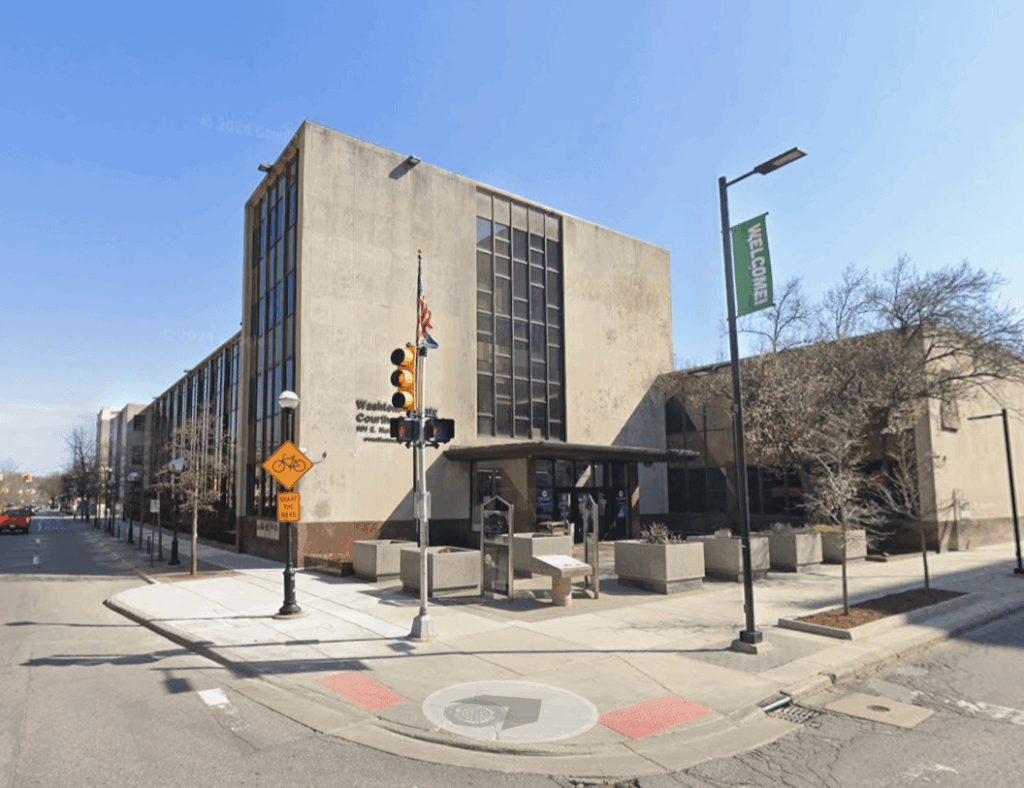
In Michigan, divorce cases are handled by the Family Division of the Circuit Court. In Washtenaw County, that’s the 22nd Judicial Circuit Court, part of the Washtenaw County Trial Court in Ann Arbor.
101 E. Huron Street, Ann Arbor, MI 48107
Phone: 734-222-6900
Business hours: Monday through Friday, 8:30 a.m. to 5:00 p.m.
📋
Who Can File for Divorce in Washtenaw County
To file for divorce in Michigan, at least one spouse must have lived in the state for at least 180 days, or about six months, right before filing. You’ll also need to have lived in Washtenaw County itself for at least 10 days before filing there.
There are a few exceptions to this 10-day rule, including cases involving minor children or concerns that a spouse might try to take a child out of the country. We believe it’s important to understand these exceptions before filing (so, for example, if you share children with your spouse, you may need to check whether a different waiting period applies to your situation).
📌
How to File for Divorce in Washtenaw County
Michigan is a “no-fault” divorce state. This means you don’t need to prove anyone did anything wrong. You only need to state that the marriage has broken down with no real chance of being saved. Here’s what the process generally looks like:
- Fill out the required forms, starting with the Complaint for Divorce and the Summons.
- File your paperwork with the Washtenaw County Trial Court and pay the filing fee.
- Make sure your spouse is properly notified about the case. This is usually done through personal delivery by a process server, certified mail, or another method allowed under Michigan court rules. You aren’t allowed to serve your spouse yourself.
- Wait out Michigan’s required waiting period. If you don’t have minor children, this is at least 60 days from filing. If you have minor children, the statutory waiting period is 6 months (180 days), though the judge may shorten it down to no less than 60 days upon motion showing compelling hardship.
- Share financial information with your spouse. Michigan requires both spouses to disclose income, debts, and assets early in the case.
- If your case is contested, the court may schedule a pretrial hearing, which you’ll be required to attend if the court sets one.
- If you have minor children, your case will also involve the Friend of the Court, an office that helps sort out custody, parenting time, and child support.
- Schedule your final hearing. It’s usually set for at least two months after filing, or six months if you have children, and you’ll need to give your spouse proper notice ahead of time.
- Once everything is settled and the waiting period has passed, a judge signs the Judgment of Divorce. This officially ends the marriage.
🗂️
What Forms Do You Need?
The exact forms depend on your situation, but most people will need:
- Complaint for Divorce
- Summons (form MC 01)
- Confidential Case Inventory (form MC 21)
- Judgment of Divorce, filled out near the end of the process
If you have minor children, you’ll also likely need:
- Uniform Child Custody Jurisdiction and Enforcement Act Affidavit (form MC 416)
- Verified Statement (Form FOC 23): submitted to the Friend of the Court to provide details necessary for calculating child support and establishing custody.
Since requirements can change, it’s smart to double-check that you have the current version of each form before you file. Complete your official court forms online with total confidence. We automatically manage state updates and include all required local county forms for you. Get started now to ensure your documents are prepared quickly and accurately.
💳
How Much Does It Cost to File?
Filing a Complaint for Divorce costs $175 for cases without minor children ($150 base fee plus $25 electronic filing system fee), or $255 if you have minor children, which includes an additional $80 Friend of the Court statutory fee. You can check the county’s current fee information on its Fees page.
If you can’t afford these costs, you can ask for a fee waiver by filing a Fee Waiver Request (form MC 20) along with your complaint. Waivers are generally available to people whose household income is at or below 125% of the federal poverty guidelines, and they’re automatically approved for anyone already receiving certain types of public assistance.
Start Divorce in 3 Simple Steps
Our service can complete the paperwork for your agreed-upon divorce, minimizing your stress and the risk of submitting the wrong forms.

Check Your Eligibility
Answer several simple questions on our platform to see if our service is suitable in your specific circumstances.

Fill out a Questionnaire
Complete a full online questionnaire, providing the details of your case so the system can select and fill in the right forms.

Print out the Papers
Download the completed documents from your account, print, sign, and notarize them to start the case with the local court.